
Blog
The Elegant Foxtail Palm: A Touch of Luxury for Your Landscape

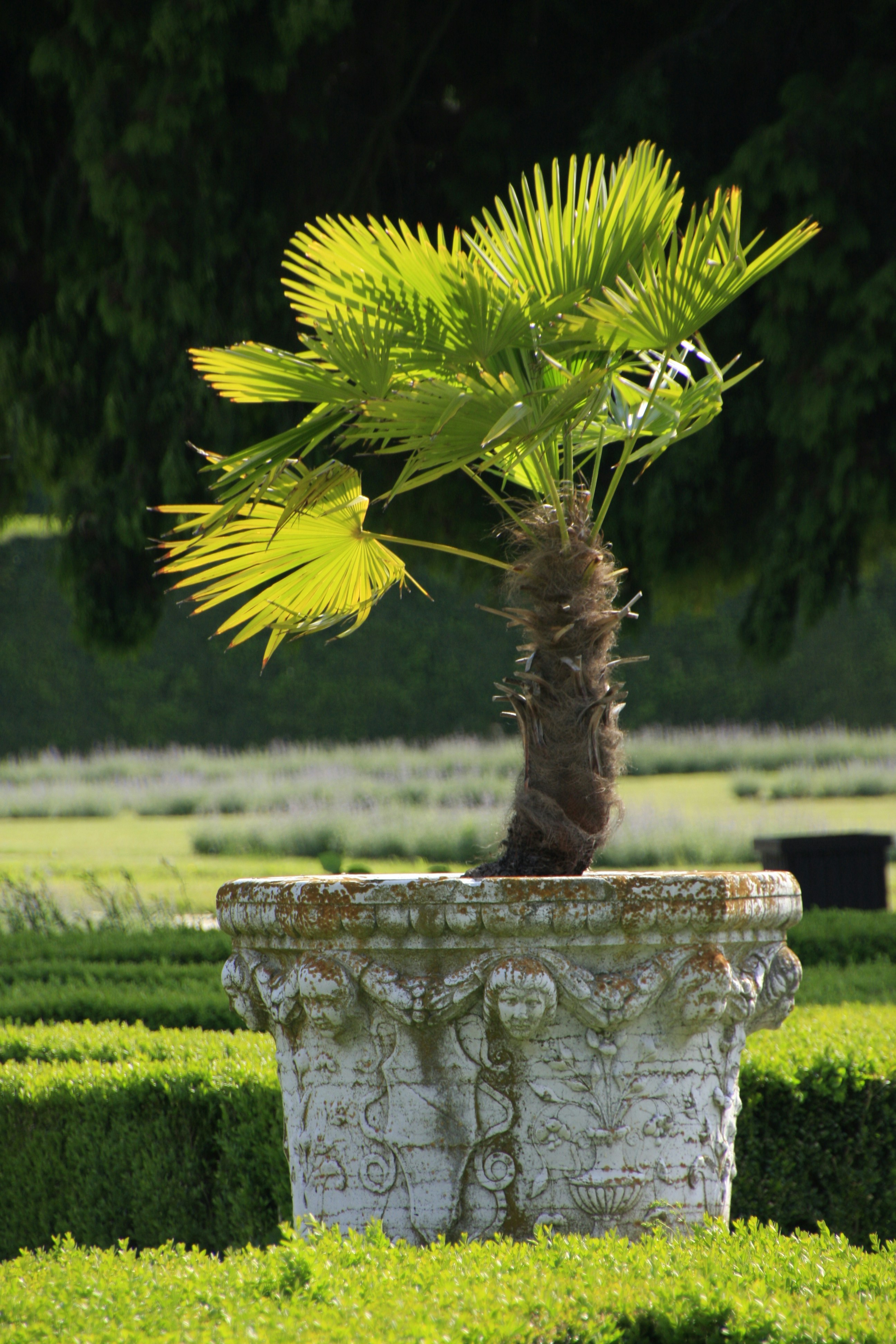
Introduction to the Foxtail Palm
The Foxtail Palm, scientifically known as Wodyetia bifurcata, stands out as a remarkable choice for those seeking to enhance their gardens with a touch of sophistication. Native to Australia, this palm species was first discovered in the 1990s and quickly gained popularity in landscaping due to its visually striking characteristics. The tree reaches heights of 30 to 50 feet, featuring gracefully arching fronds that can span up to 10 feet in length, creating an impressive visual statement.
One of the most captivating aspects of the Foxtail Palm is its unique foliage. The fronds are bushy and vibrant green, forming a lush canopy that mimics the appearance of a foxtail – a striking feature that adds elegance to any outdoor space. These palms also transition beautifully, maintaining their visual appeal throughout the seasons. Their ability to thrive in various environments makes them adaptable candidates for both residential and commercial properties, where they can accentuate a luxurious atmosphere.
When introduced into an existing landscape, the Foxtail Palm creates an immediate impact. Its exuberant form and architectural character allow it to serve as a focal point, drawing attention to gardens, poolsides, and patios. This palm’s aesthetic versatility enables it to pair well with different plant species, enhancing the overall coherence of any garden design. Whether used as a standalone specimen or planted in clusters, the Foxtail Palm exudes an air of refinement, solidifying its status as a luxurious landscaping element. Its captivating beauty, combined with its hardy nature, makes it an ideal choice for those who wish to elevate their outdoor living spaces.
Distinctive Foxtail-shaped Leaves
The Foxtail Palm, scientifically known as Wodyetia bifurcata, is widely celebrated for its distinctive foxtail-shaped leaves, which set it apart from other ornamental palm species. These leaves are characterized by their beautiful, arching form that resembles the fluffy tail of a fox, hence the name. Each leaf is divided into numerous leaflets that radiate from the central petiole, creating a dense and luscious crown that can be a striking focal point in any landscape design.
In terms of texture, Foxtail Palm leaves exhibit a smooth, glossy surface that catches sunlight beautifully, enhancing their visual appeal. The rich green coloration of the leaves contributes to the overall luxuriance of the palm, providing a refreshing contrast to other plants. As light filters through the fronds, it creates a soft dappled effect, which can add depth and dimension to garden beds and outdoor spaces.
The unique foxtail shape and vibrant color of these leaves also make them incredibly versatile in various landscaping themes. Whether incorporated into tropical gardens, used as standalone specimens, or grouped with other palms and vegetation, the Foxtail Palm delivers a unique texture and elegance that can elevate the ambiance of any environment. Moreover, their compact growth habit allows them to be utilized effectively in both residential and commercial landscapes, providing essential aesthetic value without overwhelming other design elements.
When selecting plants for landscaping, it is crucial to consider their distinctive characteristics, such as the stunning foxtail-shaped leaves of the Foxtail Palm. This palm not only brings a sense of luxury but also enhances visual interest, making it an ideal choice for thoughtful landscape architecture.
The Foxtail Palm (Wodyetia bifurcata) presents a distinctive ornamental value that significantly enhances luxury landscapes. Renowned for its elegant fronds and unique trunk structure, it serves as a visual centerpiece in upscale settings such as villas, hotels, and meticulously curated gardens. The graceful appearance of this palm tree, with its bushy foliage resembling a foxtail, contributes to a sophisticated ambiance, making it a popular choice among landscape designers.
In the context of luxury architecture, the Foxtail Palm harmonizes perfectly with various design styles. For instance, in tropical contemporary designs, it complements the organic lines and open layouts, creating a seamless connection between indoor and outdoor spaces. In Mediterranean-style villas, the palm’s elegant silhouette enhances the rustic aesthetics, often guiding the view towards luxurious pools or manicured gardens. Its versatility allows it to adapt to modern minimalist designs as well, wherein its tall stature and symmetrical leaves contrast beautifully with clean lines and open spaces.
Furthermore, integrating the Foxtail Palm into outdoor spaces can be accomplished through thoughtful placement and arrangement. For instance, grouping multiple palms together can create a lush, tropical feel, while a single specimen positioned at a focal point, such as an entrance or garden pathway, can draw the eye and set the tone for a luxurious experience. The use of complementary plants, such as vibrant bougainvillea or low-growing succulents, can enhance the setting further by providing a rich backdrop that accentuates the palm’s beauty.
In summary, the ornamental value of the Foxtail Palm is undeniable, making it an exceptional choice for luxury landscapes. Its ability to harmonize with various architectural styles and enhance outdoor spaces further solidifies its status as a hallmark of elegance and luxury in landscaping design.
Growth Rate and Mature Height
The Foxtail Palm (Wodyetia bifurcata) is renowned not just for its visual appeal, but also for its growth characteristics, which play a significant role in landscape design. Typically, this palm exhibits a relatively fast growth rate, particularly in optimal conditions. Under ideal circumstances—meaning adequate light, nutrient-rich soil, and appropriate water—Foxtail Palms can grow approximately 3 to 4 feet per year. This growth allows homeowners and landscape designers to incorporate the trees into their plans with the expectation that they will quickly establish themselves within the environment.
When cultivated properly, the Foxtail Palm can reach a mature height of around 30 feet, although some specimens may exceed this height, particularly in ideal tropical or subtropical climates. This impressive height contributes to its desirability as a focal point in both residential and commercial landscapes. The tall, elegant fronds create a sense of verticality that can enhance spatial perception in gardens, parks, and other outdoor settings. Landscape architects often recommend positioning Foxtail Palms in open areas where their height can be appreciated, providing ample clearance from low-lying structures.
Furthermore, the mature height of the Foxtail Palm can influence the surrounding landscape design. For instance, these palms can be utilized as dramatic visual anchors or can serve as natural dividers between outdoor spaces. Their growth characteristics also necessitate consideration of spacing and placement; adequate distances from other plants and structures should be maintained to ensure their development is unhindered. In conclusion, the growth rate and substantial mature height of the Foxtail Palm offer versatile landscaping opportunities, promoting both beauty and functionality in outdoor environments.
Sunlight and Soil Needs
The Foxtail Palm, known for its dramatic fronds and elegant appearance, thrives best in specific sunlight and soil conditions that mimic its native tropical habitat. This palm species prefers full to partial sunlight exposure; ideally, it should receive at least six hours of direct sunlight daily. Insufficient light can hinder its growth and lead to a decline in its overall health. Therefore, selecting a planting location with adequate sunshine is essential for optimal development.
When it comes to soil requirements, the Foxtail Palm favors well-draining soil rich in organic matter. A sandy loam or a mix incorporating loamy soil along with peat moss and perlite is an ideal choice, offering the necessary drainage while retaining moisture. The soil pH should ideally range from 6.0 to 7.5, facilitating the palm’s nutrient absorption and promoting healthy root development.
It is crucial to avoid heavy clay soils that retain water and create an environment prone to root rot, which can be detrimental to the plant. If the existing soil is not suitable, amending it with compost or organic matter can significantly improve its composition and drainage capabilities. Additionally, implementing a raised planting bed can enhance drainage and provide a suitable environment for growing this elegant palm.
For optimal growth of the Foxtail Palm, consider planting it in locations protected from harsh winds and extreme weather. While this species is relatively hardy, it is important to shield young plants from severe environmental conditions until they are well established. Understanding these sunlight and soil requirements is vital for creating a thriving landscape feature with the Foxtail Palm.
Fertilization Guidelines for Healthy Growth
The Foxtail Palm (Wodyetia bifurcata) is renowned for its graceful appearance and unique feathery fronds, making it a popular choice for luxurious landscapes. To ensure healthy growth and vibrant foliage, it is essential to follow specific fertilization practices. Proper nutrition significantly contributes to the overall health of the Foxtail Palm, promoting robust growth and resistance to diseases.
When selecting fertilizers for Foxtail Palms, a balanced fertilizer with an N-P-K ratio of 8-2-10 is often recommended. This formulation provides a proportionate supply of nitrogen (N), phosphorus (P), and potassium (K), which are critical for the plant’s health. In addition to the macronutrients, the Foxtail Palm benefits from essential micronutrients such as magnesium, manganese, and iron. These nutrients are vital for the development of lush green fronds and maintaining the palm’s aesthetic appeal.
Application of fertilizer should occur during the growing season, which typically runs from spring through summer. It is advisable to apply fertilizer every two to three months, ensuring you adhere to the manufacturer’s instructions regarding quantities. Over-fertilization can lead to nutrient burn, while under-fertilization may result in stunted growth and discoloration of leaves.
In addition to periodic fertilization, incorporating organic matter, such as compost or well-rotted manure, can enhance soil quality and provide a slow-release source of nutrients. This practice not only enriches the soil but also improves moisture retention, vital for the Foxtail Palm’s thriving growth.
By following consistent fertilization guidelines and ensuring proper nutrient balance, you can cultivate a healthy Foxtail Palm that not only enhances the elegance of your landscape but also stands resilient against environmental stressors.
Care Tips for Longevity
The Foxtail Palm, known for its graceful appearance and lush foliage, requires specific care to thrive and enhance your landscape effectively. One of the critical factors in maintaining a healthy Foxtail Palm is establishing an appropriate watering routine. These palms prefer well-draining soil and should be watered deeply but infrequently, allowing the top few inches of soil to dry out between watering sessions. During the warmer months, more frequent watering may be necessary, while in cooler periods, a reduction in frequency helps prevent root rot. It is essential to monitor the palms closely for signs of both under-watering and over-watering, as this can lead to stress and health issues.
Pruning is another vital aspect of Foxtail Palm care. Regularly removing dead or yellowing fronds not only improves the aesthetics of the plant but also encourages healthy growth. However, it is important to avoid excessive pruning, as this can weaken the palm and make it susceptible to diseases. Ideally, pruning should be done during the growing season, which is typically from spring to early fall, ensuring to use clean, sharp pruning tools to avoid any injury to the plant.
Pest management is crucial for the health of the Foxtail Palm. Common pests include spider mites and scale insects, which can harm the plant if left untreated. Regular inspection of the palms is advisable to catch any infestations early. If pests are detected, a gentle spray of neem oil or insecticidal soap can be effective in managing these issues without causing harm to the plant. Additionally, maintaining good air circulation around the palm will help prevent pest-related problems. By following these care tips, you can ensure the longevity and beauty of your Foxtail Palm, allowing it to continue gracing your landscape with elegance for years to come.
Suitability for the Indian Climate
The Foxtail Palm (Wodyetia bifurcata) is increasingly recognized for its aesthetic appeal and ability to thrive in various climatic conditions. When considering the suitability of the Foxtail Palm for the diverse climates found across India, it is essential to evaluate how this palm adapts to different environmental factors.
In India, the Foxtail Palm flourishes primarily in tropical and subtropical regions. Areas such as the southern states, including Kerala and Tamil Nadu, provide ideal conditions for the growth of this species due to their warm temperatures and moderate humidity levels. Likewise, the coastal regions benefit from the palm’s natural resilience against salt spray, making it an attractive choice for seaside landscapes.
However, the Foxtail Palm also encounters challenges in areas with extreme climatic fluctuations. In northern regions, where winters can be cooler, the palm may struggle if temperatures drop significantly. To mitigate this, growers can implement protective measures, such as utilizing microclimate strategies or planting in sheltered locations. This approach can help maintain a warmer environment during colder months, encouraging healthy growth.
Additionally, in regions with high rainfall, proper drainage practices are vital to prevent root rot. Foxtail Palms prefer well-draining soil, and planting them in raised beds can significantly improve soil aeration and drainage. Fertilization should also be tailored to the unique needs of the palm, ensuring it receives a balanced supply of nutrients to bolster its growth in various climates.
Furthermore, the palm’s ability to withstand periods of drought enhances its adaptability, allowing it to perform well in semi-arid regions of India. By considering these climatic variances and implementing effective cultivation practices, the Foxtail Palm can indeed become a luxurious and resilient addition to landscapes across the Indian subcontinent.
When considering adding the elegant Foxtail Palm to your landscape, the source of your plants is crucial. Sahara Nursery stands out as a premier supplier of high-quality Foxtail Palms, ensuring you receive robust and healthy specimens that contribute to the beauty and longevity of your garden. By choosing Sahara Nursery, you are investing not only in the aesthetic appeal of your outdoor space but also in the vitality of the plants you introduce.
Located in the heart of the gardening community, Sahara Nursery specializes in a diverse selection of palms and tropical plants. The nursery’s commitment to quality is evident in their propagation techniques that prioritize the health and growth potential of each plant. Their knowledgeable staff are dedicated to providing expert guidance to assist you in selecting the right Foxtail Palm for your specific landscape needs. Whether you are looking to enhance your garden, create a luxurious poolside oasis, or add a touch of sophistication to your commercial property, Sahara Nursery can help.
Sourcing healthy plants is an essential step in ensuring the overall success of your landscaping project. The Foxtail Palm, known for its distinctive appearance and graceful fronds, deserves the best start possible to flourish in your environment. By purchasing your Foxtail Palms from Sahara Nursery, you can be confident that you are investing in the highest quality specimens that will thrive and enhance your landscape design.
To learn more about their available inventory or to seek personalized advice for your landscaping projects, you can contact Sahara Nursery directly at 9520104862 or visit their website at saharanursery.in. Their team is eager to assist you in selecting the finest Foxtail Palms that will undoubtedly bring a touch of luxury to your landscape.